


COASTAL PROGRAMME
The Sonarpara Project
(upcoming)
Over 14,000 children drown in Bangladesh every year. In Sonarpara — a coastal village of 6,000 — children grow up beside the ocean with no swimming skills, no safe play spaces, and no path to opportunity. MiR is here to change that.
The challenge
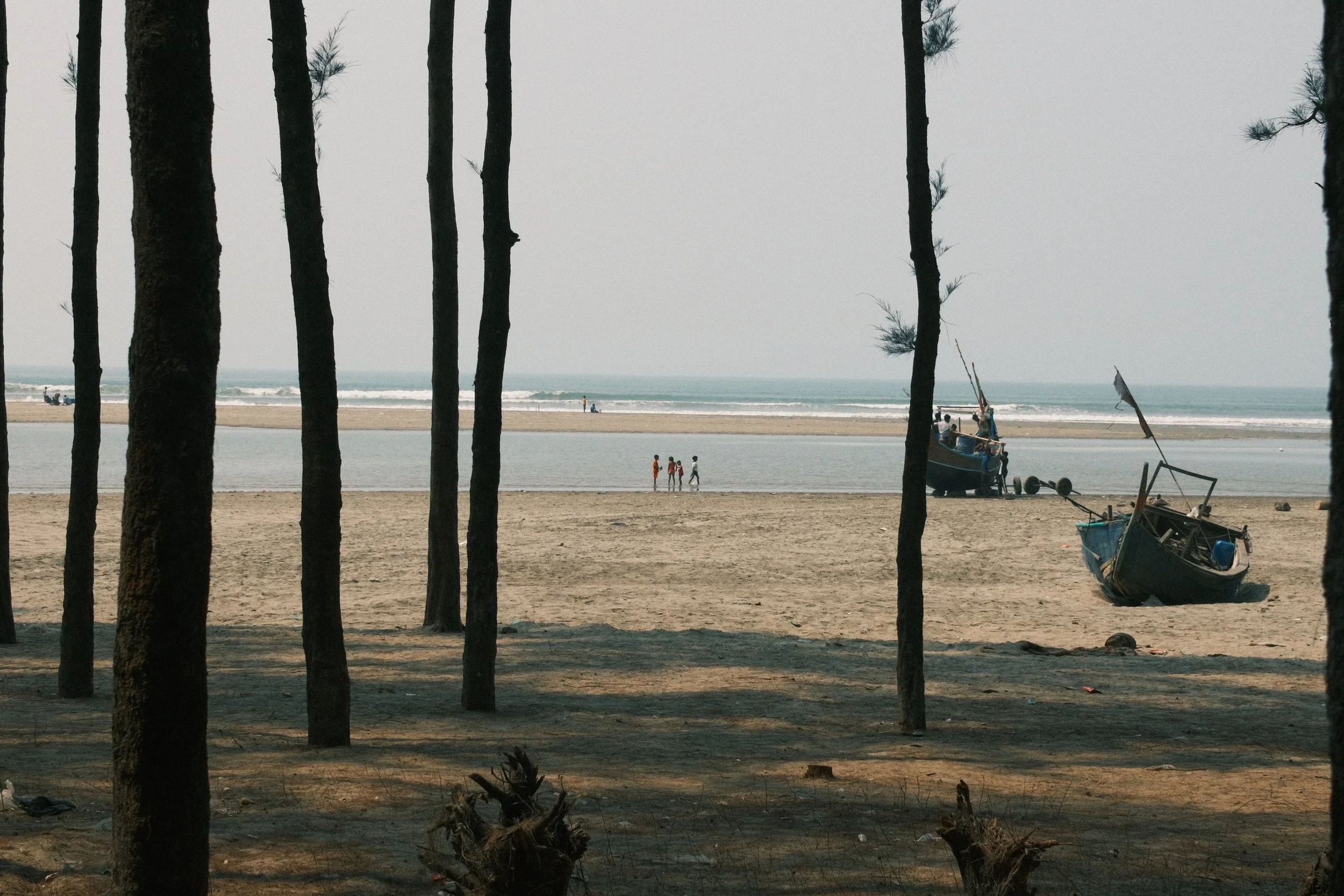
Sonarpara sits on the coast of Cox's Bazar — one of Bangladesh's most climate-vulnerable and impoverished districts. Drowning is the second leading cause of death for children under five, and 77% of all victims are children.
Children move freely between home, river, and sea with no water-safety training and no emergency response when the worst happens. Girls face additional barriers: restrictive gender norms, early school dropout, child marriage, and a near-total absence of safe public spaces.
What we are doing
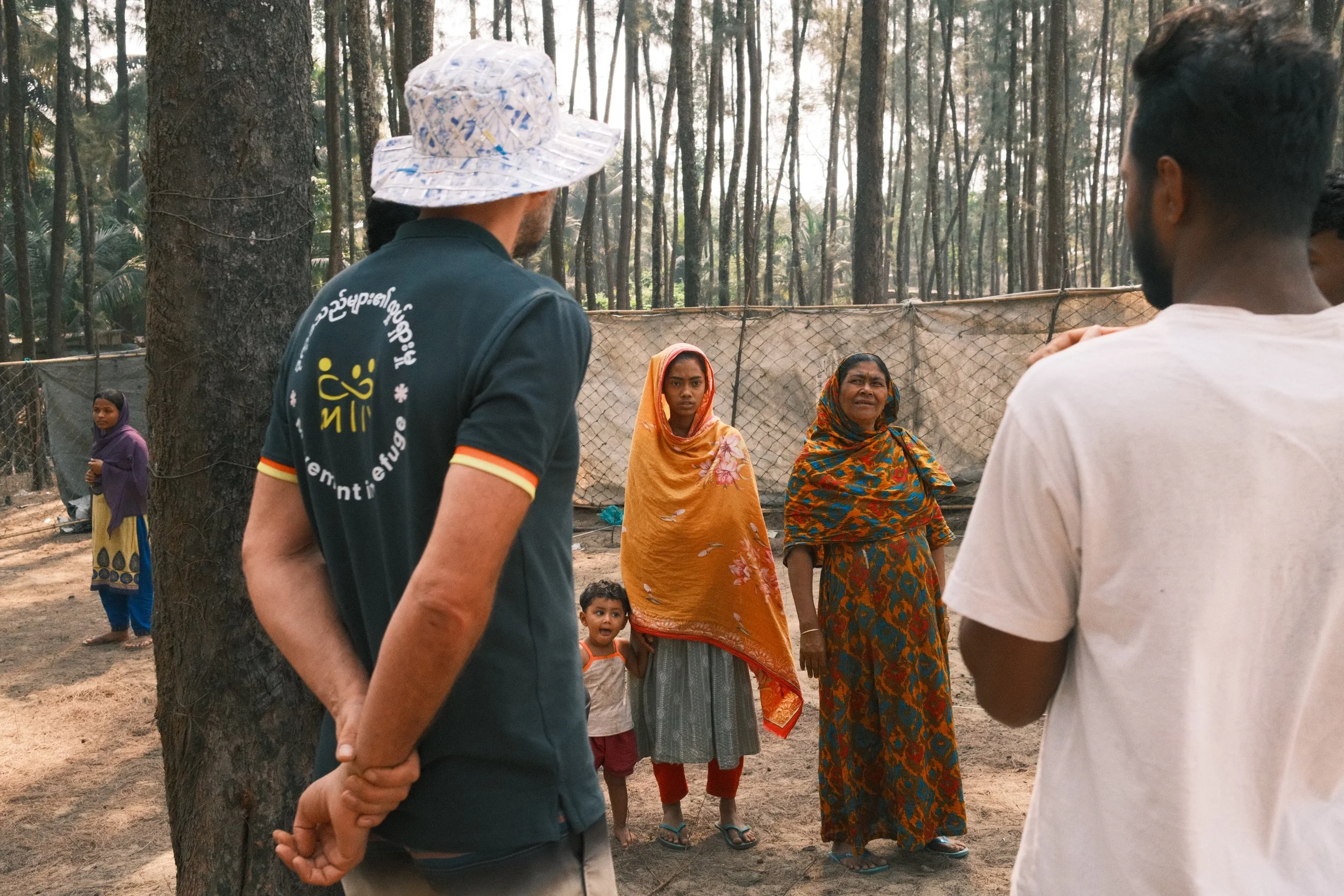
The project trains locally recruited Community-Based Coaches (CBCs) to deliver structured, evidence-based swimming and water-safety training to children aged 6–18, alongside beach sports, fitness, and youth leadership.
Each cohort of 15–20 learners receives 20–30 hours of instruction over 7–10 weeks, with a 1:5 coach-to-learner ratio adapted for open water. Girls receive dedicated spaces with privacy enclosures, female-led instruction, and culturally appropriate swimwear — removing barriers that have long excluded them.
Who this reaches
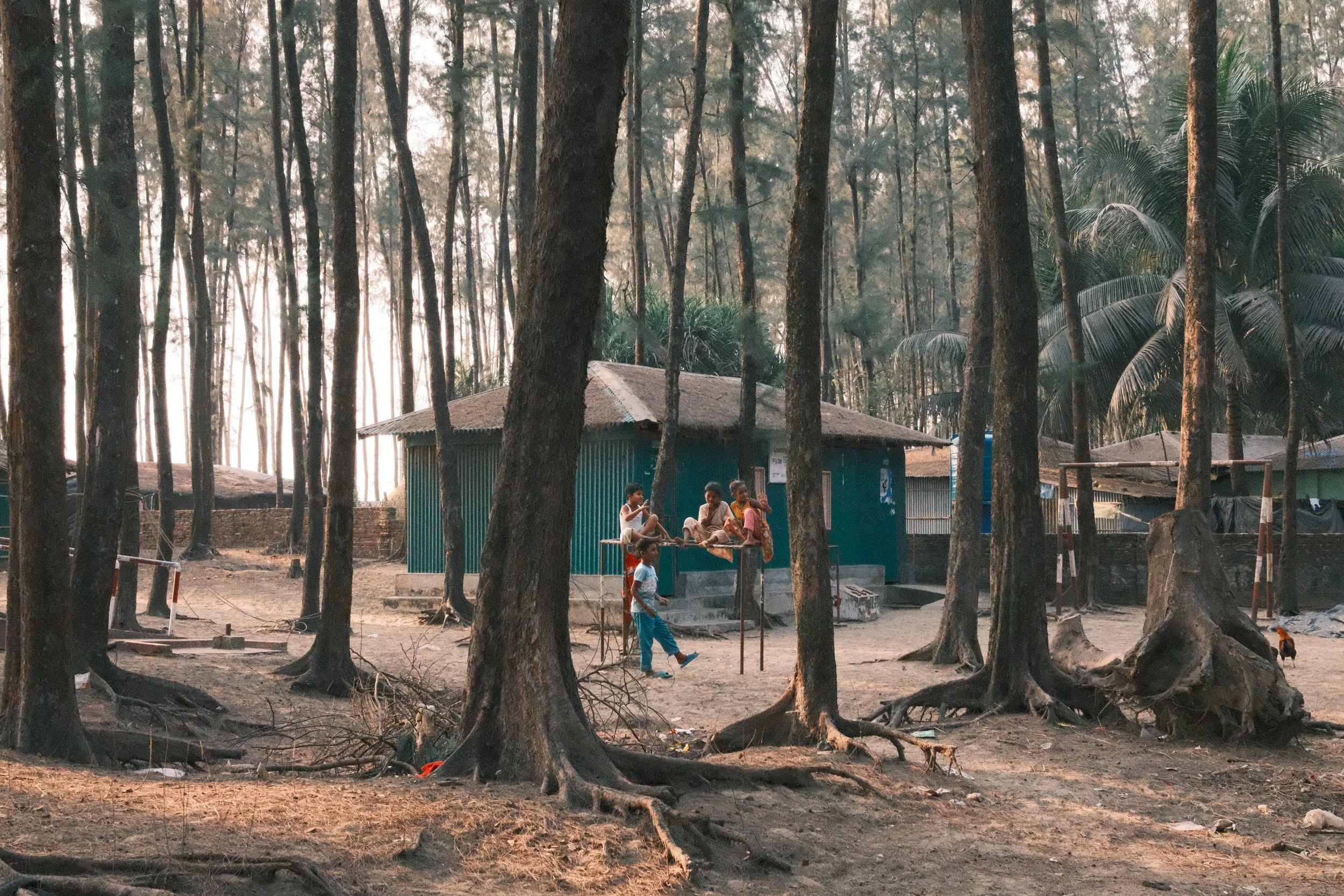
Sonarpara's 2,800 school-age children grow up beside the ocean — boys swimming informally but unsafely, girls largely excluded from the water entirely. This project gives both genuine access to safety and sport for the first time, while trained coaches gain real qualifications and livelihoods.
Why it works
Every CBC passes a rigorous, three-phase training programme — covering swimming pedagogy, advanced rescue and lifeguarding fundamentals, and coaching skills — before working with any child.
Safeguarding is embedded at every level: a joint child protection policy, GBV and SEA prevention training, confidential reporting channels, and a community-approved referral pathway are all established before Day 1 of delivery.
Regular swim meets, canal crossings, and open-ocean races create community pride and a proven pathway to regional competition — while attracting local and national media attention to the issue of child drowning.
The Goal
